Table of Contents
Shashi Tharoor’s Praise for Modi’s U.S. Visit: A Diplomatic Win or Political Divide?
Introduction
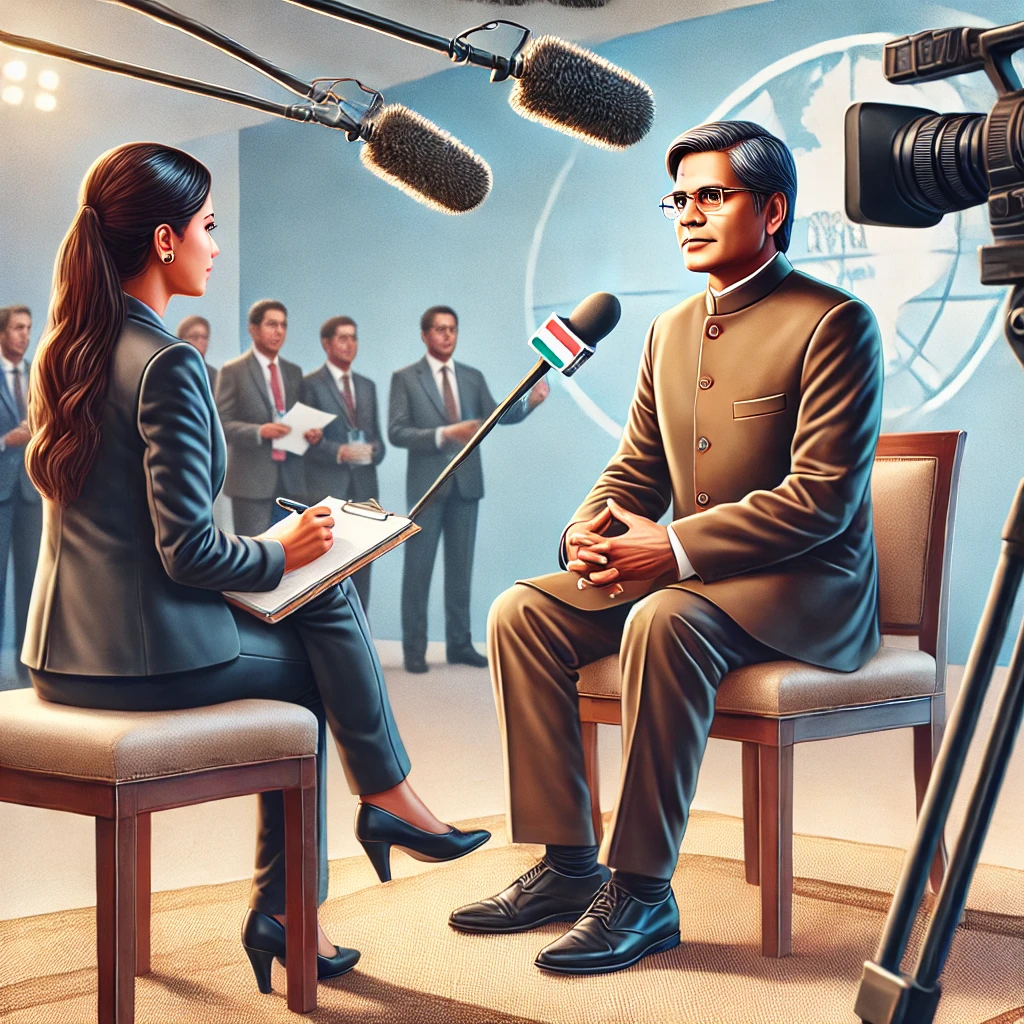
Congress MP Shashi Tharoor recently praised Prime Minister Narendra Modi’s U.S. visit, acknowledging its success in strengthening trade relations and defense cooperation. While his comments were met with appreciation from many, the Congress party was quick to clarify that Tharoor’s views were personal and did not reflect the party’s official stance.
This blog explores the significance of Modi’s visit, the impact of Tharoor’s remarks, and how this development affects India’s political landscape and global diplomacy.
Highlights of Modi’s U.S. Visit
1. Trade and Economic Growth
- The summit aimed to enhance bilateral trade between India and the U.S., with both nations eyeing a potential increase to $500 billion by 2030.
- Agreements on technology, clean energy, semiconductor production, and artificial intelligence were among the key highlights.
- U.S. investments in India’s digital infrastructure and manufacturing sector were reinforced, ensuring long-term benefits for India’s economy.
- India secured better market access for its pharmaceutical, textile, and IT sectors, boosting exports and creating new job opportunities.
2. Strengthened Defense Cooperation
- Joint military exercises and defense collaborations were a major focus of the visit.
- India is expected to purchase advanced military technology, including the much-anticipated F-35 fighter jets and armed drones.
- Greater Indo-U.S. intelligence sharing will bolster national security and counter regional threats, particularly in the Indo-Pacific region.
- Discussions on increasing joint defense production could result in U.S. firms setting up manufacturing bases in India, boosting the “Make in India” initiative.
- The expansion of QUAD (India, U.S., Japan, and Australia) cooperation will play a crucial role in maintaining regional stability and countering geopolitical challenges posed by China.
3. Immigration & Education Policies
- Discussions on easing visa norms for Indian professionals and students took center stage.
- Increased collaboration in higher education and research will open doors for Indian scholars in U.S. institutions, encouraging exchange programs and scholarships.
- Proposals were made to fast-track H-1B visa approvals for Indian IT professionals, benefiting the global workforce and strengthening India’s role as a tech powerhouse.
- The introduction of new partnerships between leading Indian and U.S. universities aims to boost academic research in AI, space technology, and medical sciences.
Shashi Tharoor’s Remarks: A Diplomatic Viewpoint
In a surprising move, Congress MP Shashi Tharoor publicly lauded Modi’s achievements in the U.S., stating that something “good has been achieved.” His remarks signaled a rare moment of bipartisan acknowledgment in Indian politics.
Why Tharoor’s Statement Matters
- It indicates that India’s global diplomatic progress is being recognized across party lines.
- His stance highlights the need for India’s international relations to be above partisan politics.
- The Congress party’s swift clarification suggests internal differences on acknowledging Modi’s foreign policy success.
- Tharoor’s international experience and diplomatic acumen add credibility to his remarks, reinforcing the importance of constructive political discourse in India.
Congress Party’s Response: A Political Tightrope
Despite Tharoor’s praise, the Congress party distanced itself from his statements, affirming that they were his personal opinions and not the party’s stance. This reaction showcases:
- Internal party divisions on Modi’s foreign policy and diplomatic achievements.
- The reluctance of opposition parties to openly appreciate political rivals, despite diplomatic successes benefiting the entire nation.
- A reflection of the larger political strategy leading up to the 2024 elections, where maintaining a distinct opposition narrative is crucial.
- The challenge faced by Congress in managing diverse viewpoints within its leadership, particularly when leaders like Tharoor express independent perspectives on foreign relations.
How This Affects India-U.S. Relations
For India:
- Stronger trade ties mean job creation, economic growth, and enhanced technological advancements.
- Enhanced defense agreements boost national security, providing access to cutting-edge military technology.
- Diplomatic success elevates India’s global standing, positioning the country as a key player in the Indo-Pacific strategy.
- Access to new-age AI and cybersecurity collaborations will drive India’s digital revolution.
- India’s strong relations with the U.S. will enhance its geopolitical influence, particularly in countering adversarial regional forces.
For the U.S.:
- Strengthened ties with India bolster its Indo-Pacific strategy, ensuring greater stability in the region.
- Trade agreements enhance business opportunities for U.S. firms, expanding their reach into India’s growing consumer market.
- Collaboration in AI, space technology, and clean energy supports U.S. technological advancements.
- Strengthening India’s military capabilities aligns with U.S. strategic interests in balancing power in the Asian region.
- The immigration policy reforms discussed will benefit U.S. companies by ensuring a steady influx of skilled Indian professionals in STEM fields.
Conclusion
The Modi-Trump summit has positioned India and the U.S. for a new era of cooperation in trade, defense, and technology. While Tharoor’s remarks brought a fresh perspective, the Congress party’s response highlights the challenges of bipartisan appreciation in Indian politics.
As India continues to cement its role on the global stage, the question remains—will domestic politics allow for unified support of diplomatic progress, or will partisan divides continue to dominate?
A key takeaway from this development is the need for a more unified approach to foreign policy matters, ensuring that India’s diplomatic progress is not overshadowed by political disagreements. India’s global ambitions require a long-term strategic vision that transcends party lines and focuses on national interests above all.
Stay Updated!
For more updates on India’s international diplomacy, political insights, and economic trends, subscribe to our blog and join the discussion!